
You may have wondered what is an important consideration when making ingredient substitutions. Can you use butter instead of oil in a cake? Or which sweetener you can use in one recipe or another to avoid refined sugar?
The most common question I receive from readers is how to do ingredient substitutions correctly in baking recipes. That's why I created this guide to help you as much as possible to adapt the recipes to your pantry situation or personal preferences.
Jump to:

Disclaimer
Please note that ingredient substitutions might not work perfectly for all baking recipes. In many cases you may not achieve the same taste and texture as the original recipe.
The recipes are created and tested considering specific ingredient combination and sometimes they just won't be as good after a substitution.
The role of the ingredients
Before deciding to make a substitution, consider what is the role of the ingredient in the given recipe.
Each baking ingredient is in the recipe for a specific purpose. The three typical purposes are: taste, structure and moisture.
Some ingredients have only one of the three roles but others can have more than one at the same time.
For example regular sugar might play any of these three roles, depending on the recipe. In a sponge cake it creates structure and taste. In other types of cakes it can contribute with moisture and taste. If you want to substitute it with another sweetener, you need to make sure it serves the same purposes. That's why you can't use maple syrup in a sponge cake: it won't achieve the same volume and structure. But you can use it in other types of cakes where the sugar is just a sweetener.
So here are the most common ingredient substitutions that you may try:
Flour
In most baking recipes you can substitute all purpose flour with whole grain flour or even with spelt, rye or einkorn flour. Beware that in this case you may need additional moisture as the whole grains absorb more water. So you may need to increase the quantity of the wet ingredients. Just do it slowly and carefully to avoid making the batter too runny.
In order to keep the original taste and texture of the recipe as much as possible, it is recommended to substitute just about ½ of the all purpose flour for a whole grain kind. In many recipes even 100% substitution will work well but the taste and the texture would be different: sometimes not as great as the original.
When it comes to gluten-free and keto recipes, normally you can substitute all-purpose flour with the same quantity of gluten-free mix or almond flour.
As for the coconut flour, keep in mind that it absorbs much more moisture than any other flour. Usually you need to use ¼ of the quantity compared to the all-purpose flour and to add more of the wet ingredients. But this would change the wet-dry ingredient balance of the recipe and may result in a very different texture than the original. For that reason I don't recommend the coconut flour as your only flour substitute in a recipe.
In the Keto Chocolate Cake with Mascarpone Frosting below I used coconut flour as the main dry ingredient but added also cocoa powder and flax seeds and lots of wet ingredients.

Fats
Butter and oil are practically interchangeable in cakes or muffins. But beware that the final result still may turn out different from the original in terms of texture.
Butter adds flavour and stability to the batter but also makes it a bit dryer. Oil, on the other hand, increases the moisture level in the cakes. That's why there are baking recipes which call for both butter and oil.
For the recipes where butter is an important stabiliser (such as no bake desserts and frostings) you can't substitute it with oil. In most of these cases you can't use coconut oil either because it melts at a temperature close to the ambient one.
So what is the best vegan butter substitute? Well, margarine. But if you never use it in your kitchen because it is unhealthy (same as me), you need to take an individual approach to each recipe in order to choose the right natural ingredient.
The three vegan ingredients I use commonly instead of butter are: olive oil (when structure is not important), coconut oil or cocoa butter. Depending on how much structure I need for the dessert, sometimes I use a combination of two.
Here is an example of a dairy-free dessert with both coconut oil and cocoa butter: Keto Lemon Blondies.

Sweeteners
Sugar has many different purposes in baking recipes. It is rarely used only for the sweetness.
In recipes where whipping is required to achieve a dense structure (meringues, buttercream or sponge cake) sugar is a stabiliser. So in those cases you can only substitute it with another sweetener with crystal structure (brown sugar, granulated erythritol, etc.).
When it comes to simple cakes where you have a number of different wet and dry ingredients, sugar can be substituted also by honey, maple syrup, etc.
Beware that even though it is dry and solid, in many recipes sugar is considered a wet ingredient as it dissolves in liquid. That means that if you decrease or increase the quantity in a recipe this may impact the moisture of the batter.
Avoid making any quantity changes in sponge cakes: the sugar is a crucial ingredient there and using less of it might make the cake dryer and less spongy.
When substituting sugar with low carb sweeteners such as xylitol or erythritol, you can use more or less the same quantity as with the original recipe.
Xylitol is considered same sweetness as the sugar but I find it somehow stronger so normally use ⅓ less. Erythritol is considered 30% less sweet than sugar but I have successfully used same quantity as the original amount of sugar.
Stevia is a sweetener I rarely use as I don't like its taste. Normally you need to use a very little quantity to sweeten your recipe (check the package as each brand is different). The problem is that by using stevia instead of sugar you are removing part of the dessert's volume. That might be an important element in some recipes.
In the Healthy Olive Oil Cake I used coconut sugar for the spongy layers and maple syrup for the frosting.

Eggs
There are multiple options for eggs substitutes. While I am not very keen on all of them, some I use with a lot of success.
One of the most popular ways to substitute an egg is with ground flax seeds or chia seeds + water. You can also use mashed banana, applesauce or any other fruit puree. Or just go with carbonated water.
But keep in mind that you will not create a volume with any of the above as you won't be able to whip them.
I have noticed that sometimes yogurt can compensate for eggs in a cake recipe. Like in the Eggless Hot Chocolate Cake.

Dairy
Substituting a liquid dairy product in cakes and breads is easy: you can simply use any plant based milk.
If you want to substitute yogurt or buttermilk, use some plant based milk mixed with a tablespoon of vinegar for extra acidity.
As for the whipping cream, coconut cream is almost a perfect substitute since it can be whipped into a similar creamy texture. Beware that it has a slight coconut taste.
Chocolate
In some recipes you can substitute melted white chocolate with melted cocoa butter. As for the melted dark chocolate, you can potentially use cocoa butter + cocoa powder.
In cake batter or as icing you may also use regular butter + cocoa powder instead of melted chocolate.
However keep in mind that chocolate is made through a very thorough process in order to be achieved its smooth and shiny texture. Hence your recipe may not turn out as good with any of the substitutes.
If you don't want to use cocoa powder in a recipe, use carob powder instead.
Nuts
Consider what is the nut purpose in the recipe. If it is for decoration or for garnish, you can easily use another kind. But if you are going to use the nuts inside cookie dough or cake batter, substituting the original will impact greatly the flavour and sometimes also the texture.
Keep in mind also that different nuts have different fat content. Cashews for example are not exactly nuts, hence they are richer in carbs. They are commonly used in raw frozen cheesecakes. Most other nuts won't achieve the same texture after being soaked, so avoid substituting cashews for that purpose.
Fruits
Substituting fruits is not always straight forward. Here is what you need to consider:
- Avoid using raw bananas, apples or pears for decoration, unless you brush or spray them with gelatine dissolved in water. Otherwise they will change colour too fast.
- In most cases berries can be substituted successfully by other berries. Just keep in mind they might have different texture, colour and of course, taste.
- Dried fruits are usually interchangeable, unless the fruit has a specific taste purpose like the cranberries in the Hazelnut Cake with Stracciatella Frosting and Dried Cranberries

Flavours
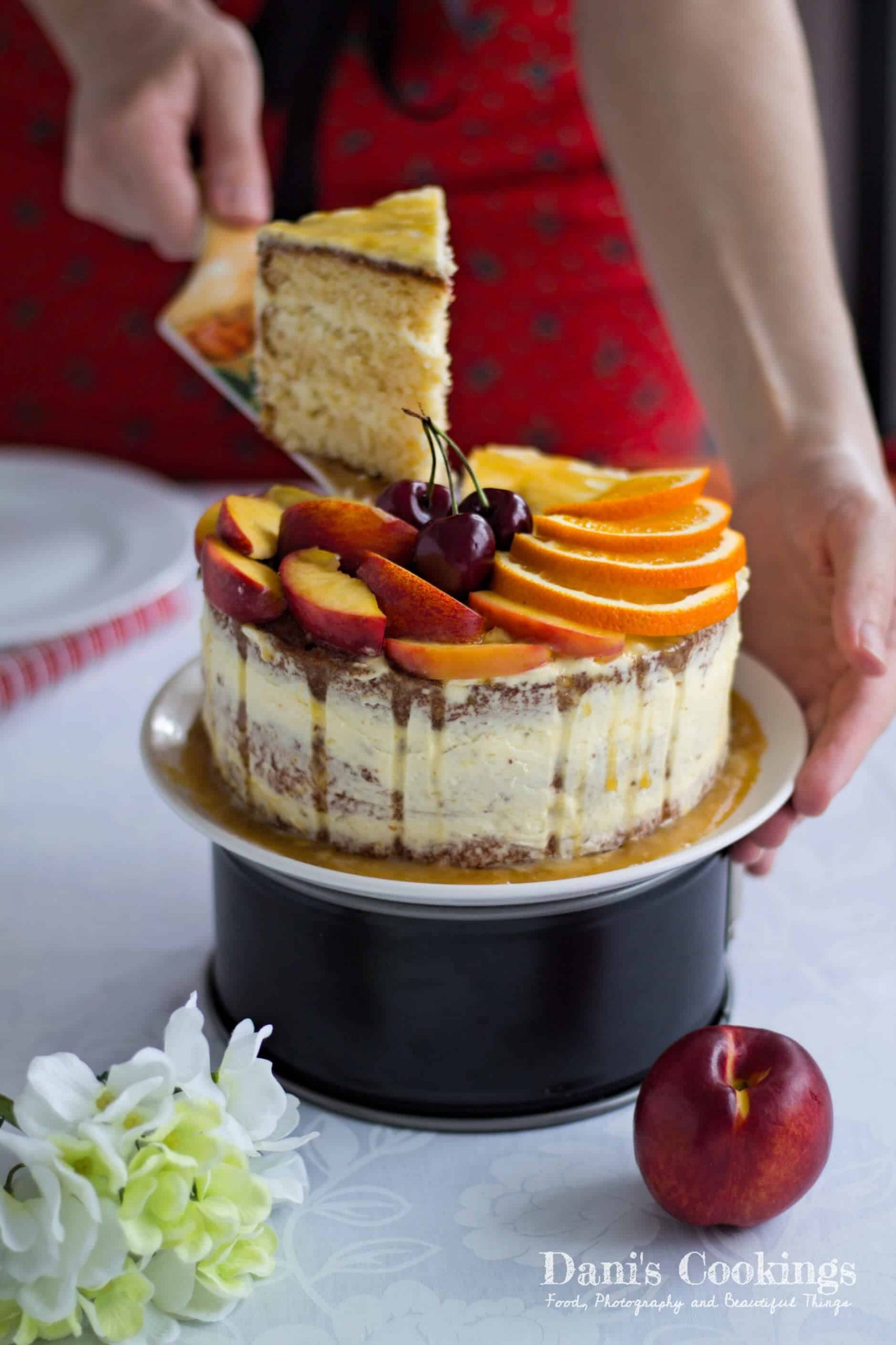
When it comes to simple falvour substitutions there is never right or wrong answer. If the recipe author decided to make an Orange Cake with Peach Buttercream Frosting and you are wondering if you can use lemon and strawberry flavours instead, probably you can! But it won't be the same recipe with the same result.
Conversion table
I have created for you a table where you can find the most common ingredient conversions.
By clicking the link, you will be redirected to a Google Sheets document.
Let me know in the comments if this guide is useful to you! I would be glad to keep updating it with your suggestions and questions!


Comments
No Comments